The Role of Nurses in Palliative Care

Palliative care goes beyond providing medical support for those with serious illnesses. Great palliative care nurses deliver compassionate care tailored to each individual to ensure comfort and dignity at every stage. In this blog, we’ll unpack what palliative care is and how palliative nurses nurture the physical, emotional and spiritual wellbeing of those in their care.
What Does Palliative Care Involve?
Similar to nursing care, palliative care provides comprehensive support for those requiring complex medical care and help with daily activities. Palliative Care is designed for those who have been diagnosed with a life-limiting condition and prioritises physical and emotional wellbeing. This holistic approach creates a peaceful and comforting environment where people can feel at ease, giving loved ones the opportunity to share meaningful moments together.
End of life and Hospice Care
Many people believe that palliative care is only delivered in hospices. This is not true, and many people receive this care in a care home. If a person is living in a residential or nursing home that also offers palliative care, it allows for a seamless transition between the different levels of care, should they require it. Staying in the same home can reduce stress at an already different time, therefore stabilising mental health and making life more comfortable.
The terms ‘end of life care’ and ‘palliative care’ are often used interchangeably. However, end-of-life care usually refers to the care received in the final stage of a person’s life, whereas palliative care can begin much sooner. Palliative care also covers life-limiting illnesses that aren’t necessarily terminal, and some people receiving palliative care can even go on to make a full recovery.
When Does Palliative Care Begin?
Palliative care can begin at any stage of a person’s illness and can last anywhere from several years to a few days. The holistic approach is tailored to each individual based on their diagnosis, abilities and preferences, and focuses on keeping them safe and comfortable.
The point at which palliative care begins completely depends on the progression of a person’s illness. It is appropriate from the moment an individual feels they could benefit from additional emotional, physical or practical support.
What Does A Palliative Care Nurse Do?
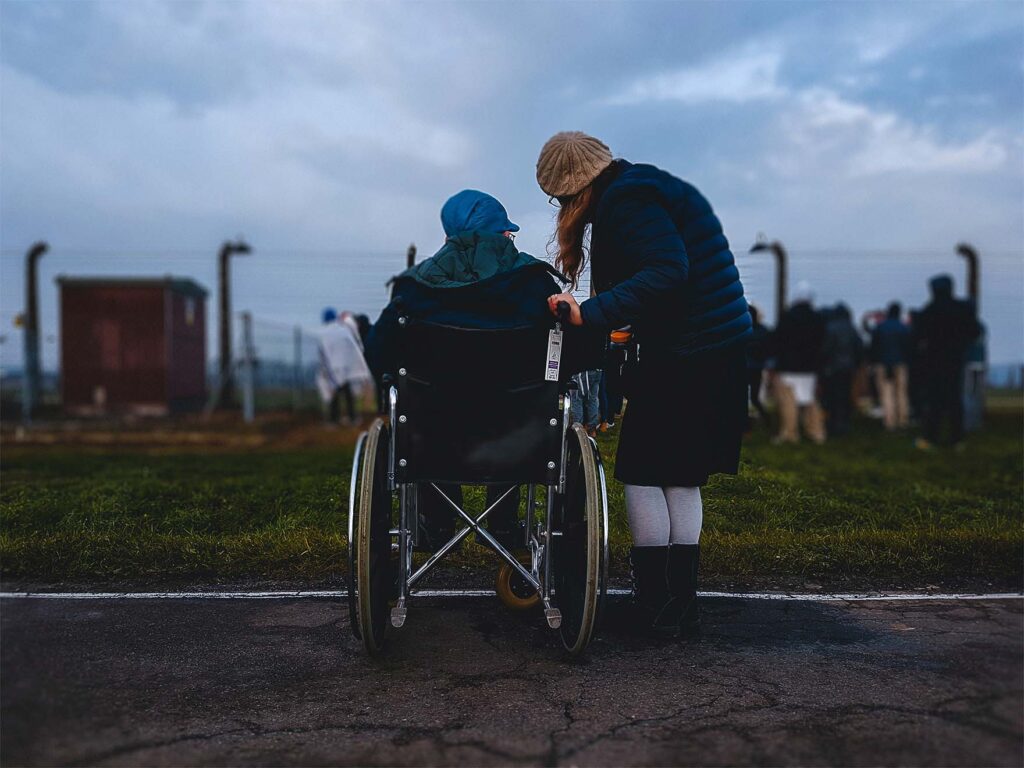
Palliative care nurses play a vital role improving the comfort of both the individual receiving care and their loved ones. Delivering personalised treatment through a tailored care plan is essential for maintaining each individual’s physical and mental health. Nurses also use this person-centred approach to cultivate a safe, peaceful and comfortable environment.
Medical support
A crucial part of palliative care is managing symptoms of pain, fatigue or weakness. Nurses monitor levels of pain and distress and communicates any changes with the person’s GP, other healthcare providers and family.
It is also the responsibility of a nurse to ensure everyone in their care has access to the appropriate equipment and expertise, as well as managing the upkeep of this equipment, ensuring it is fit for purpose. Palliative care can also be given alongside other treatments, whether medical, psychological, or complementary.
Day-to-day support
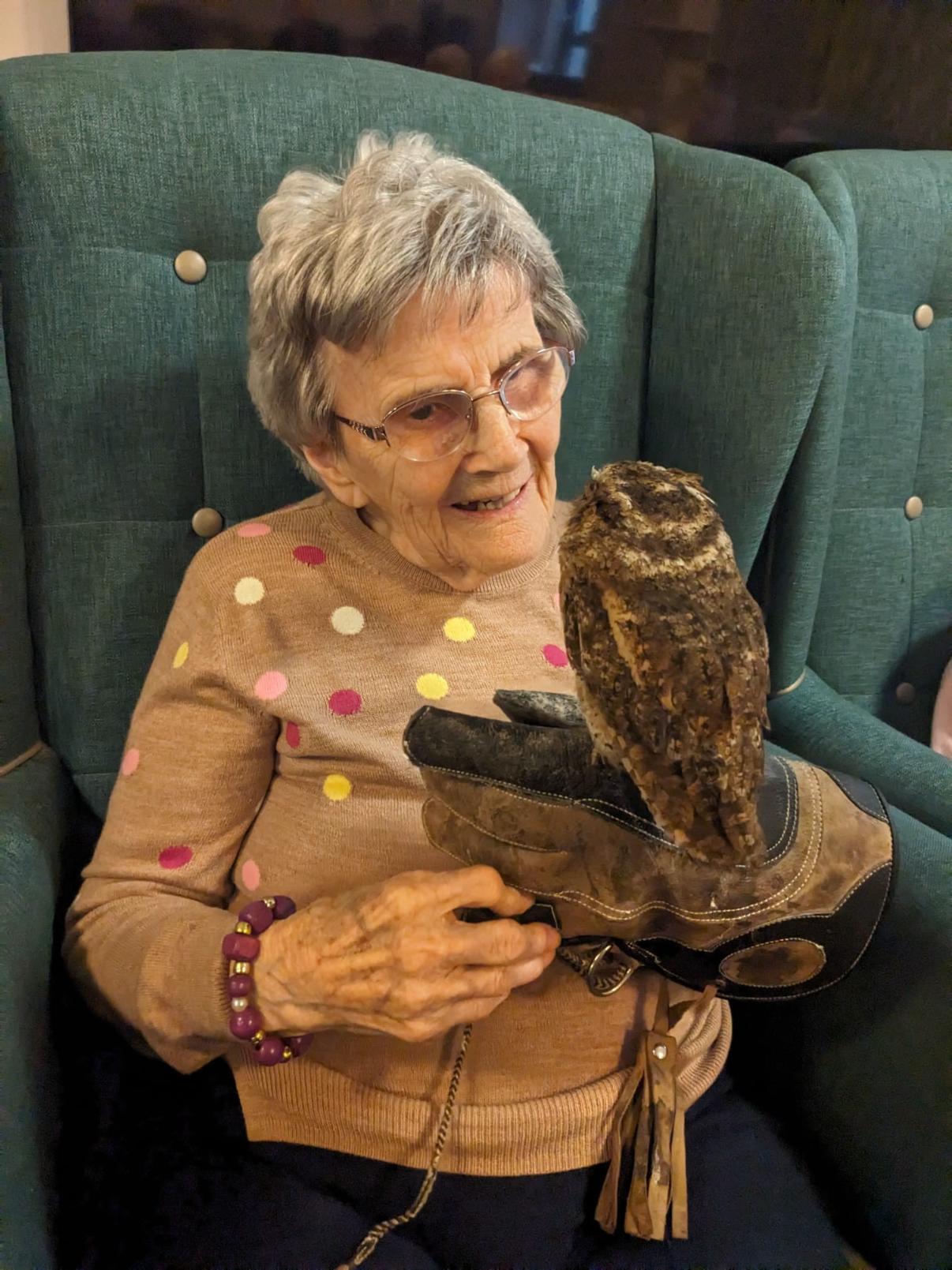
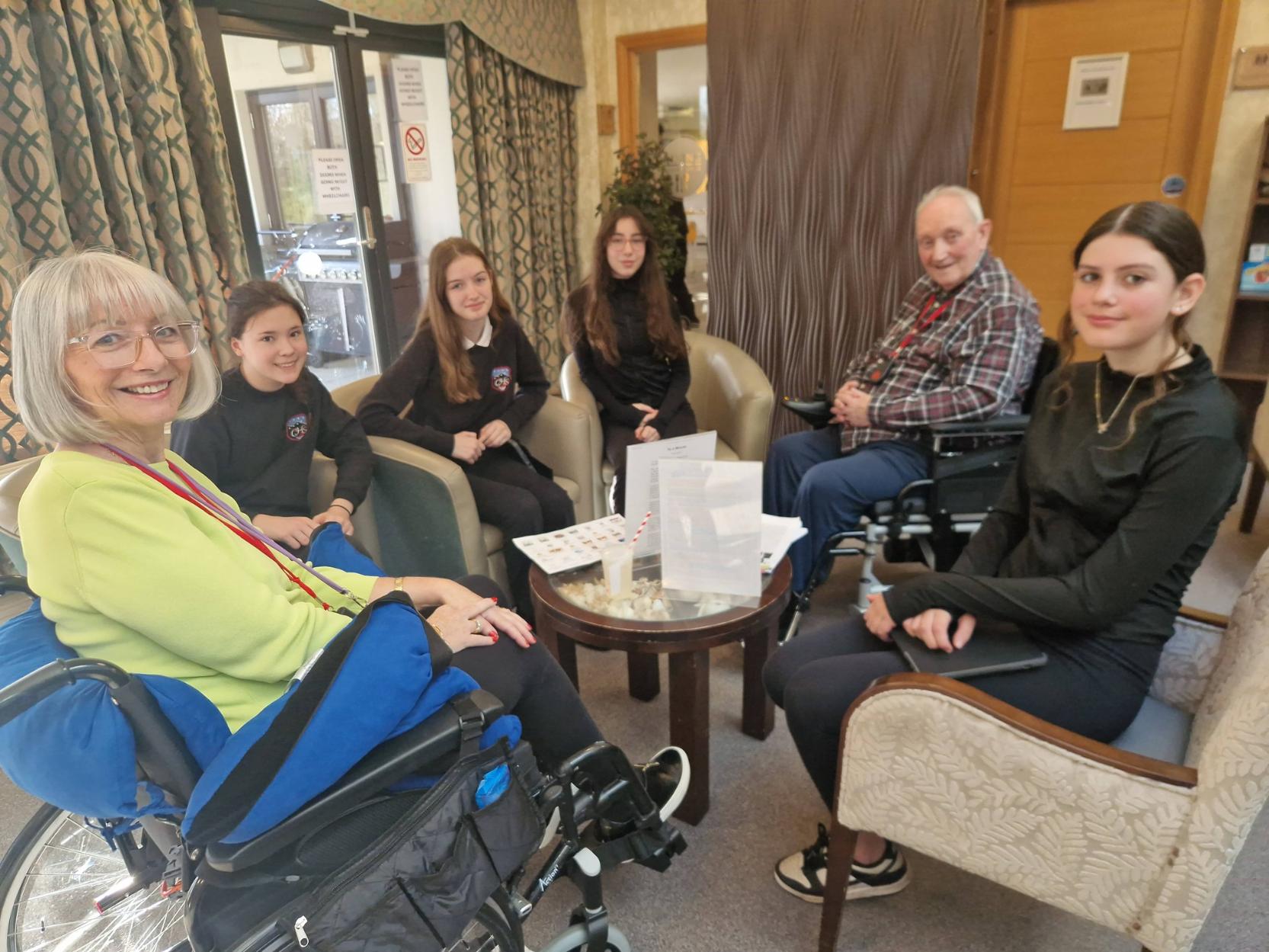
Palliative care nurses provide everyday support with washing, bathing, dressing and moving around, if possible. This personal care helps individuals continue normal routines where possible, making them feel at home and relaxed. Nurses, particularly those in care homes, will ensure that a balanced, nutritional diet is provided, that also caters to individuals preferences and dietary requirements. Additionally, they will ensure that, where possible, individuals are still staying socially and mentally active. Taking part in hobbies and varied group activities can have considerable positive impact on mental and emotional health.
Emotional and mental support
One of the more challenging aspects of a palliative care nurses role includes managing emotional distress in the individual receiving care and their loved ones. Nurses will reassure all those involved and answer questions in an empathetic manner they are able to comprehend. Offering a listening ear during this difficult time can make a huge difference to a person’s psychological wellbeing.
A holistic approach will support the person’s psychological needs from all angles. All-inclusive care homes can help with this by providing delicious nutritious food, therapeutic activities and entertainment and private gardens to spend time outside and connect to nature.
Family support
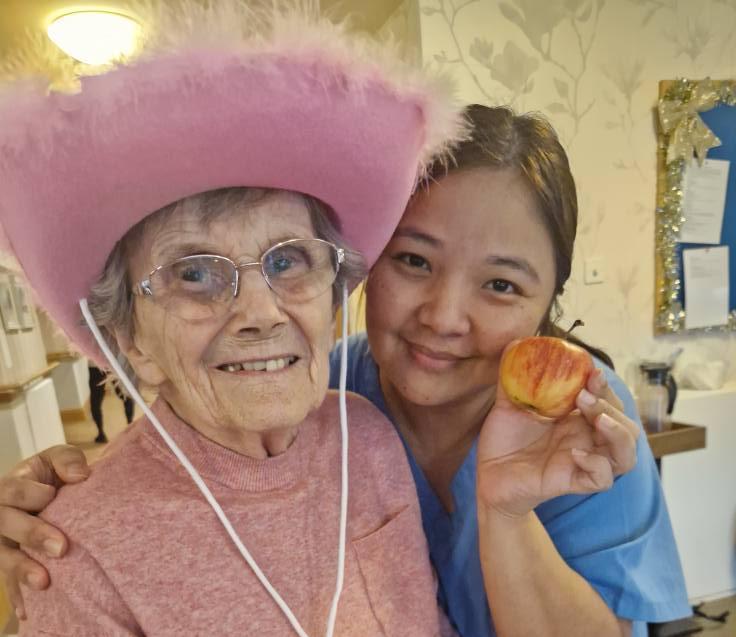
A skilled palliative care nurse will build strong relationships with individuals receiving care and their families. Some people may be unable to express their own choices, so nurses need to orchestrate regular, open communication with loved ones. Person-centred care plans are crucial in these situations, to ensure that the individuals choices are being adhered to at all times. Nurses will keep all the appropriate people updated as their condition progresses and help them adjust to their new circumstances.
Awareness of care plan
Person-centred care plans provide people with choice and guarantee that people are treated with the utmost respect and dignity. A brilliant palliative nurse will be acutely familiar with each individuals care plan and consistently respect their choices and preferences. They will know, for example, if a person has signed a DNR form. This holistic approach provides those receiving palliative care with a dignified end of life.

Skills of a palliative nurse
Palliative care nurses require a unique blend of skills to deal with the challenges that come with this type of care. Firstly, an understanding of medical protocols and ability to notice subtleties and gauge symptoms is paramount. When this happens, they will tailor the person’s care plan accordingly with permission of them and their family.
Similarly, nurses need to be adaptable and flexible if an individual’s symptoms change suddenly, or if their care plan is adjusted. Someone’s preferences may change as their condition progresses and they come to terms with their circumstance.
Compassion, empathy and the ability to actively listen are essential tools for managing people’s emotional and psychological needs, whether interacting with the person receiving care or their loved ones. This requires an in-touch understanding the vast range of emotions people may be feeling. Because of this, palliative nurses also need to be resilient. The job can be extremely emotionally challenging so nurses must learn to manage their own wellbeing to ensure they are able to provide the best possible care. However, this care can be immensely rewarding, knowing that someone’s wellbeing is being enhanced and their final wishes are being fulfilled.
Finally, palliative nurses must be personable, reassuring and practice good communication. This is especially important when caring for those who may have difficulty comprehending their situation, for example, someone living with dementia.
Palliative Care in Edinburgh
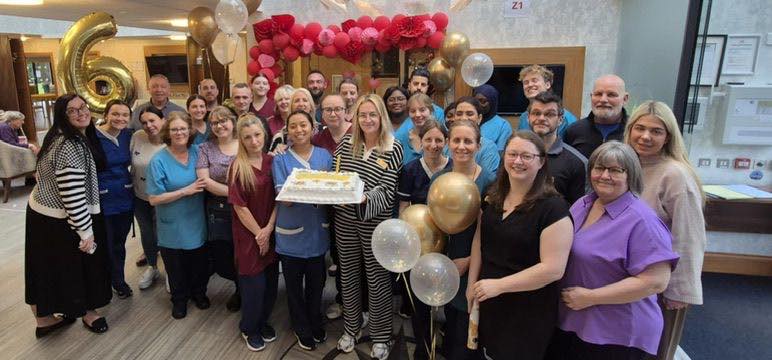
At Manor Grange Care Home in Edinburgh, our highly trained team provides compassionate palliative care ensuring comfort, dignity, and support for individuals facing life-limiting conditions. With a focus on individual preferences and needs, our team is dedicated to making every day as comfortable and fulfilling as possible. Our all-inclusive, luxury care home allows residents to feel right at home and have peace of mind that our exceptional nurses are ensuring their best possible physical and mental health. If you’re looking for person-centred palliative care in Edinburgh, please get in touch with our friendly team to arrange a home tour.